
 Jack
Jack 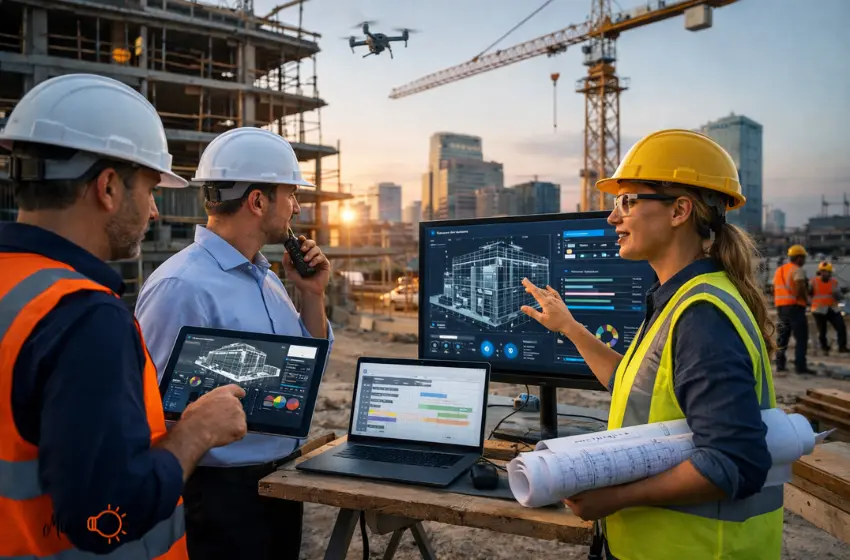
The creation enterprise is evolving at an excellent pace, pushed with the aid of virtual innovation, smarter workflows, and a growing demand for efficiency. Today, fulfillment in creation is no longer pretty much robust materials and skilled efforts; it's about how well teams plan, coordinate, and adapt in actual time. Projects are becoming increasingly complicated, timelines are tighter, and budgets are extra constrained, making it important to embrace ahead-of-questioning techniques.
Modern creation practices now depend closely on records, automation, and seamless communication between stakeholders. From architects and engineers to task managers and contractors, everyone needs to live in alignment to make sure clean execution. The shift towards actual-time coordination is transforming how projects are controlled, reducing mistakes, enhancing accuracy, and boosting basic productivity.
In this text, we explore how destiny-driven construction combines strategic planning with real-time coordination to supply higher effects, limit risks, and create a more efficient building method.
The Evolution of Construction Planning
Traditional construction making plans regularly trusted static schedules and guide calculations. While those techniques worked in the past, they're now not sufficient for nowadays’s fast-paced and complicated initiatives. Modern planning requires dynamic structures that could adapt to changes right away.
Advanced equipment now allows undertaking teams to create unique digital fashions, simulate mission timelines, and predict demanding situations before they stand up. This proactive approach enables the avoidance of expensive delays and guarantees that resources are allotted efficiently. One important aspect in early-degree making plans is lumber takeoff, which ensures correct material estimation and prevents waste while maintaining cost management.
With higher planning equipment, construction professionals can make informed decisions, lessen uncertainty, and improve overall venture effects.
Integrating Digital Tools for Smarter Workflows
Digital transformation has revolutionized construction workflows. Technologies like Building Information Modeling (BIM), cloud-based project management software, and cellular applications permit real-time statistics sharing throughout teams.
These gears permit stakeholders to get access to data challenge records whenever, wherever. Changes in design, scheduling, or substances can be communicated immediately, reducing miscommunication and enhancing collaboration. Digital platforms also provide a centralized space for documentation, making sure that everybody works with equal facts.
The integration of virtual tools not only complements performance but also increases transparency, making it less difficult to track progress and keep duty in the course of the undertaking lifecycle.
Real-Time Coordination on Modern Job Sites
Real-time coordination is the spine of destiny-driven creation. It ensures that every group member is aligned and that obligations are completed in the ideal collection. With live updates and immediate communication, task managers can quickly address troubles as they arise. Sensors, IoT devices, and clever equipment are increasingly being used to screen on-site sports. These technologies provide real-time insights into productivity, safety, and resource utilization. As a result, teams could make quick adjustments to keep tasks on course.
Incorporating Construction Estimating services into this system, in addition, enhances accuracy with the aid of aligning price projections with real-time statistics, ensuring that budgets stay under control while retaining first-class requirements.
Enhancing Collaboration Across Teams
Collaboration is important for successful production projects. With a couple of stakeholders involved, preserving clean conversation is essential to heading off misunderstandings and delays.
Modern collaboration equipment permits seamless interplay among teams, irrespective of their area. Video conferencing, shared dashboards, and instant messaging structures make certain that everyone stays connected. This degree of connectivity fosters higher decision-making and encourages a more cohesive operating environment.
Real-time coordination also enables destroying silos among departments, allowing teams to work together more effectively and achieve common desires.
Data-Driven Decision Making in Construction
Data performs a crucial function in shaping the future of construction. By reading actual-time records, challenge managers can identify tendencies, uncover capability problems, and make informed choices.
Predictive analytics, as an instance, can forecast task delays or budget overruns, enabling teams to take corrective action earlier than issues increase. Data-driven insights additionally assist in optimizing aid allocation, ensuring that resources, hard work, and systems are used effectively.
This approach not only improves venture outcomes but also enhances normal productivity, making creation techniques extra reliable and value-driven.
The Role of Professional Expertise in Modern Projects
While technology performs a giant position in modern production, human information stays equally essential. Skilled professionals carry experience, creativity, and hassle-fixing talents that technology alone can not update.
Partnering with a Construction Estimating company guarantees that tasks benefit from correct fee evaluation, strategic planning, and industry information. These experts help bridge the space between technology and practical execution, ensuring that initiatives are finished effectively.
By combining expert information with superior tools, production groups can attain a perfect balance between innovation and reliability.
Overcoming Challenges with Adaptive Strategies
Despite advancements in the era, production tasks nonetheless face challenges, which include sudden delays, price range constraints, and changing customer requirements. The key to overcoming those demanding situations lies in adaptability.
Future-driven creation emphasizes flexible planning and real-time adjustments. By constantly tracking venture development and making data-informed selections, groups can respond quickly to adjustments and reduce disruptions.
Adaptive techniques additionally contain non-stop getting to know and improvement, ensuring that groups stay ahead of enterprise trends and maintain an aggressive part.
Building a Sustainable and Efficient Future
Sustainability is becoming a main awareness within the creation industry. Future-driven initiatives aim to lessen environmental impact whilst enhancing performance and cost-effectiveness.
Real-time coordination performs a vital function in reaching sustainability goals. By optimizing aid usage and minimizing waste, creation groups can create greater environmentally friendly initiatives. Additionally, the use of power-efficient substances and modern building strategies contributes to long-term sustainability.
As the industry keeps adapting, the mixing of sustainable practices with advanced technologies will shape the destiny of construction.
Final Thoughts
The production industry is undergoing a tremendous transformation, driven by means of the need for greater efficiency, accuracy, and collaboration. Future-driven creation is all about combining strategic planning with real-time coordination to deliver better consequences.
By embracing digital gear, leveraging records, and fostering collaboration, production specialists can triumph over challenges and achieve success. The integration of advanced technology with human information ensures that projects aren't only finished on time and inside finances however also meet the best standards of satisfaction.
As the industry moves forward, those who adapt to these changes will be better positioned to thrive in a more and more competitive landscape. If you want to explore more must visit Mindslfip.