

Safe Commercial Strip Out Solutions: A Practical Guide to Efficient and Compliant Interior Demolition
 David
David 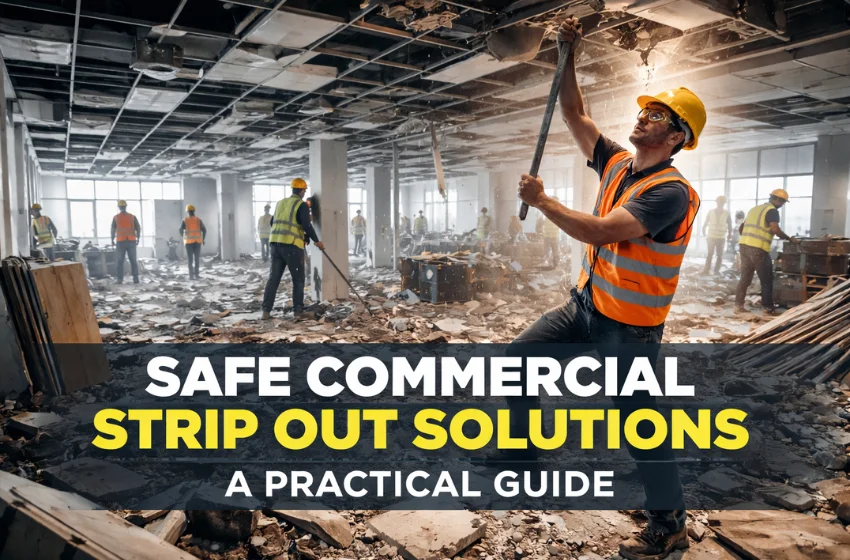
When people hear the term “strip out,” they often imagine a chaotic scene: walls coming down, debris everywhere, and a lot of noise. But in reality, a well-planned commercial strip out is far more organized, strategic, and controlled than it appears from the outside. Whether it’s preparing an office for renovation, clearing out a retail space for a new tenant, or upgrading a restaurant layout, the process is all about precision, safety, and compliance.
If you’re planning a project like this, understanding how strip outs work can help you avoid delays, reduce costs, and ensure everything runs smoothly. Let’s break it down in a simple, practical way.
What Is a Commercial Strip Out and Why It Matters
A commercial strip out involves removing non-structural elements inside a building. This includes things like ceilings, flooring, partitions, lighting, cabinetry, and sometimes mechanical or electrical systems. The goal is to return the space to a clean, workable state ready for renovation or handover.
Think of it like resetting a room to its “blank canvas.” For example, when a clothing store closes and a café moves in, the layout, fixtures, and even wiring may need to be completely changed. Without a proper strip out, the new business could face costly issues down the line.
This process is common across many industries:
- Retail: Changing store layouts or preparing for new tenants
- Offices: Reconfiguring workspaces or upgrading facilities
- Hospitality: Renovating restaurants, hotels, or bars
- Healthcare: Updating clinics or specialized treatment rooms
In all these cases, safety and compliance aren’t optional, they're essential.
Why Safety Should Always Come First
Strip outs might seem straightforward, but they come with real risks if not handled correctly. Hidden electrical wiring, asbestos in older buildings, or structural elements that shouldn’t be touched can all pose serious hazards.
That’s why experienced teams follow strict safety procedures from the start. Before any work begins, they typically conduct site inspections to identify risks. This includes checking for hazardous materials, mapping out electrical systems, and ensuring the structure won’t be compromised.
For instance, imagine an office renovation where workers unknowingly cut into a live electrical line. Not only could this cause injury, but it could also lead to downtime for the entire building. A careful assessment beforehand prevents situations like this.
Safety also extends to protecting surrounding areas. In busy commercial zones like shopping centers or shared office buildings strip outs need to be carried out in a way that minimizes disruption to nearby businesses. This might involve working after hours, using dust control systems, or setting up protective barriers.
See Also : How Organized Estimator Workflows Improve Project Cost Visibility
Staying Compliant with Regulations
Beyond safety, compliance is another key part of any strip out project. Regulations can vary depending on location, but they generally cover waste disposal, environmental protection, and workplace safety standards.
For example, certain materials like asbestos or chemical residues require special handling and disposal methods. You can’t simply throw everything into a skip and call it a day. Failing to follow proper procedures can result in fines, legal issues, or project delays.
A good strip out team will handle these requirements for you. They’ll ensure that waste is sorted, recycled where possible, and disposed of according to local guidelines. They’ll also provide documentation if needed, which can be important for audits or lease agreements.
Let’s say you’re handing back a leased office space. Many landlords require proof that the site has been restored to its original condition and that all work was completed in line with regulations. Having the right team makes this process much easier and stress-free.
Planning for Efficiency and Minimal Downtime
Time is money—especially in commercial environments. The longer a space is out of action, the more it can impact your business or project timeline. That’s why efficient planning is crucial.
A well-organized strip out starts with a clear plan. This includes defining the scope of work, setting timelines, and coordinating with other trades if needed. For example, if you’re renovating a restaurant, the strip out phase needs to align with construction, design, and installation schedules.
Real-world example: A retail store preparing for a seasonal relaunch might only have a few weeks to complete everything. A delayed strip out could push back the entire opening date, affecting sales and marketing plans.
Experienced teams know how to work within tight deadlines. They often use phased approaches—removing sections step by step so other work can begin sooner. They also bring the right tools and manpower to get the job done efficiently without cutting corners.
If you’re looking for reliable guidance and professional support, exploring safe commercial strip out solutions can help you understand what to expect and how to plan your project more effectively.
Choosing the Right Team for the Job
Not all strip out services are the same, and choosing the right team can make a huge difference in how your project turns out.
Here are a few things to look for:
- Experience in commercial projects: Residential and commercial strip outs are very different. Make sure the team understands the complexities of larger spaces.
- Clear communication: You want a team that keeps you informed at every stage, from planning to completion.
- Safety and compliance focus: Ask about their procedures, certifications, and how they handle hazardous materials.
- Efficient processes: Look for teams that can work within your timeline without sacrificing quality.
For example, a business owner renovating an office might prioritize speed, while a healthcare facility may focus more on strict compliance and cleanliness. The right team will tailor their approach to your specific needs.
The Bigger Picture: Setting Up for Success
A commercial strip out isn’t just about removing what’s already there it’s about setting the stage for what comes next. A clean, well-prepared space makes it easier for builders, designers, and contractors to do their jobs effectively.
Think of it like preparing a foundation before building a house. If the groundwork isn’t done properly, everything that follows can be affected.
By investing in a safe, compliant, and efficient strip out process, you’re not just avoiding problems, you're creating a smoother path for your entire project. Whether you’re opening a new business, upgrading your workspace, or handing back a lease, the benefits are clear.
Final Thoughts
Commercial strip outs may happen behind the scenes, but they play a crucial role in the success of many projects. When done right, they save time, reduce risks, and make future work much easier.
The key is to approach the process with the right mindset prioritizing safety, staying compliant, and planning for efficiency. With the right team and a clear strategy, what might seem like a complex task can actually be a smooth and straightforward experience.
At the end of the day, a well-executed strip out isn’t just about demolition, it's about preparation, precision, and setting your project up for success from the very start. For more updates and ideas must visit Mindsflip.