

How Deep Tissue Therapy Breaks Muscle Knots While Swedish Massage Calms the Nervous System
 Ben
Ben 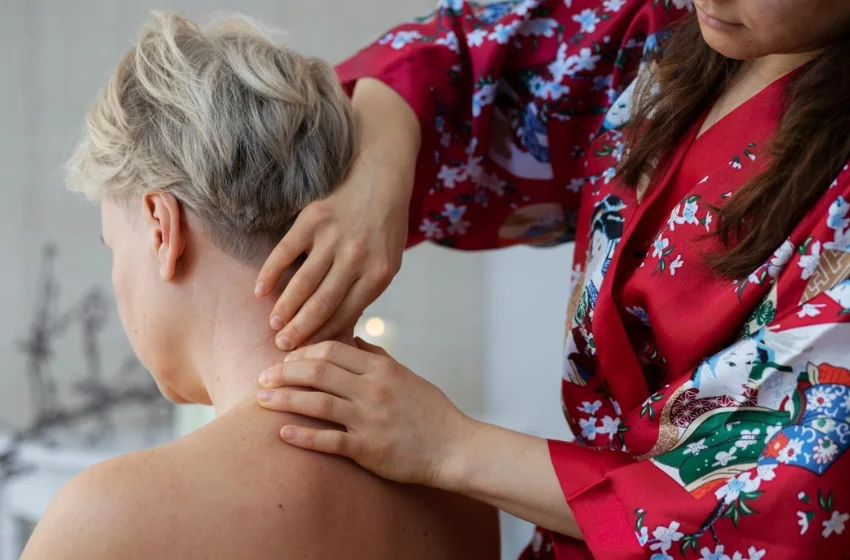
Knots and stress in the muscles may manifest themselves in the body in very different ways. A knot can be a hard, painful area that cannot be easily moved. Stress can manifest as tight shoulders, shallow breathing, poor sleep, or a heavy mind. This is what makes the difference between deep tissue massage therapy and Swedish massage treatment.
One is working deeper into tight muscles. The other assists your body to slow down and relax. They both could be helpful, and the correct option is the one that your body would be requesting.
What Muscle Knots Really Are
Muscle knots are knots within the muscle. They are commonly referred to as trigger points. It can be painful when rubbed in these spots and can even cause pain to surrounding body parts. An example is a knot in the upper back that can cause pain in the neck or shoulder.
Knots are common and occur when muscles remain tight. Sedentary hours, phone calls, bad posture when sleeping, strain in the gym or stress can all be sources of pressure. The muscle fibers become incapable after some time of relaxing in the right way.
Massage therapy is effective because it involves manipulation of soft tissues like muscles, tendons, ligaments and skin. This is why it is frequently used to support wellness and address pain-related issues.
How Deep Tissue Massage Helps Knots
Deep tissue massage therapy involves slow, firm massage. The therapist targets the deeper layers of the muscle and tight bands of tissue. This pressure helps reduce stiffness, improve mobility, and soften stiff areas that feel fixed.
It is not only a more powerful massage. It is more focused. The therapist can go around the knot rather than over it. This will allow the muscle time to relax. You might experience certain high-intensity pressure, yet it is not supposed to be uncomfortable or intolerable.
A 2025 review of deep tissue massage in athletes discovered that this treatment can potentially aid recovery by assisting in reducing muscle soreness and enhancing movement after physical exertion. It was also observed that deep tissue techniques are commonly applied for recovery, performance, and soft-tissue tension.
What Swedish Massage Does Differently
A Swedish massage treatment is normally softer and easier. It involves long strokes, soft kneading and rhythmic movements. It is not only aimed at addressing pain points. It, too, is to soothe the body and mind.
This form of massage may be used when you feel fatigued or anxious throughout your body. People usually prefer it because it helps them feel relaxed, promotes better circulation and relieves stress. In case your pain is a result of stress and everyday pressure, then Swedish massage might be more suitable as a first choice.
According to NIH News in Health, Swedish massage typically focuses on long strokes, kneading, circular motions, vibration, and tapping. In contrast, deep tissue massage will tend to be more on knots and tissue restrictions.
How Swedish Massage Calms Stress
Stress maintains the body in a state of alert. You might have rising shoulders, a tensing jaw and shallow breathing. The Swedish massage treatment helps the body move towards a more relaxed state. The monotonic sense and slow pace may assist the nervous system in relaxation.
A single study on massage and stress in the workplace examined variability in heart rate and cortisol, two symptoms associated with the stress response. Heart rate variability is important because it reflects the body's ability to adapt between rest and stress. The research employed massage as one of the techniques to research stress recovery in employees.
One other review report revealed that massage therapy has been researched on numerous pain conditions. It searched 129 systematic reviews published from 2018 to 2023, but only 41 of these used formal certainty ratings. This implies that the body of research on massage is enormous, but the quality of evidence may vary depending on the condition.
Which One Does Your Body Need?
Select deep tissue massage therapy when your primary concern is a hard knot, deep pain, or restricted movements. It can be improved when the pain is perceived as localized to one area. It may also be useful when a light massage is good, but is not so helpful.
Swedish massage is recommended when your primary concern is stress, fatigue, light stiffness, or insomnia. It is also a good choice in case you are new to massage or do not like a tight massage.
The two styles can support the body; however, they do so in different ways. Deep tissue focuses more on problem areas. Swedish massage places greater emphasis on relaxing the body.
Conclusion
The place of both types of massage is clear. Deep tissue treatment can help with tight knots, deep pain, and muscle stiffness. Swedish massage works better when your body requires peace, rest, and soothing treatments. At Siya Healing Spa, we assist you in selecting the appropriate massage based on your level of pain, stress, and comfort to ensure your body receives exactly what it needs.