

 elsa
elsa 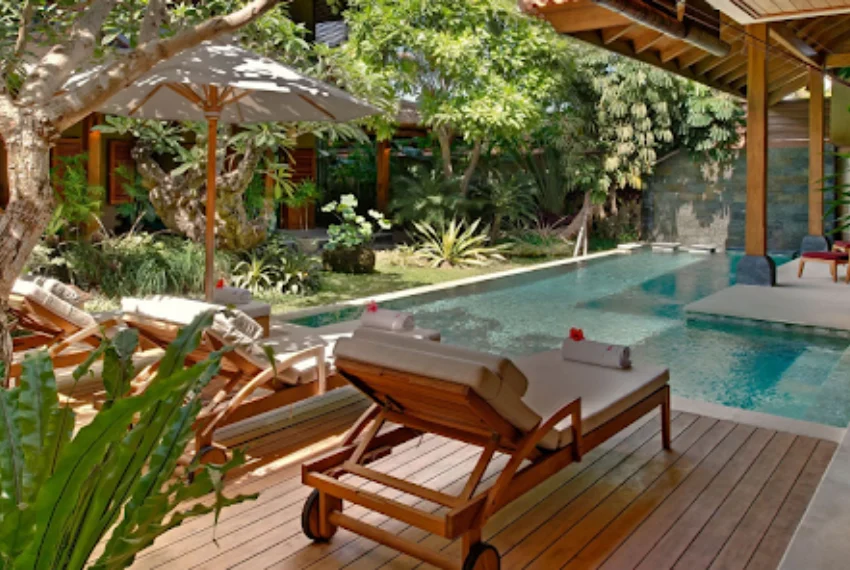
Finding suitable accommodation becomes considerably more complicated when a Bali holiday involves ten or more travellers. A property may advertise enough bedrooms for a large group, but sleeping capacity is only one part of the decision. The practical experience of sharing a villa depends on whether guests have enough bathrooms, communal space, dining capacity, entertainment options and support throughout the stay.
Large groups can also have very different expectations. A family reunion may include young children, older relatives and couples who value privacy, while a group of friends may prioritise social spaces, dining and entertainment. The ideal large group villa in Bali therefore needs to accommodate different routines rather than simply providing beds for everyone.
Before booking, travellers should assess how the property functions when it is occupied at full capacity. Looking beyond photographs and headline bedroom numbers can help groups choose accommodation that remains comfortable, practical and enjoyable throughout their stay.
1. Start With Sleeping Capacity, Not Just Bedroom Numbers
The number of bedrooms is an obvious starting point when choosing accommodation for a large group, but it does not tell the complete story. A ten-bedroom property is not automatically the right choice for every group of ten, just as a property with fewer bedrooms may work well for a smaller family with different requirements.
Travellers should examine the actual sleeping configuration. A bedroom designed for a couple may be unsuitable for children who need separate beds, while a family travelling with grandparents may prefer individual suites rather than shared rooms. Bed sizes, bedroom dimensions and the location of each room can all influence comfort.
Privacy is another important consideration. Ten adults staying together may need considerably more personal space than a family with several young children. Couples may want individual bedrooms, while children may be comfortable sharing. The ideal arrangement should therefore reflect the relationships and ages within the group.
Large villa accommodation can be particularly useful when bedrooms are accompanied by generous living areas. Guests do not need to remain in their bedrooms simply to find some quiet space. Instead, they can move between bedrooms, lounges, gardens and pool areas throughout the day.
Groups should also check whether the advertised occupancy represents the property's comfortable capacity or simply its maximum permitted number. A holiday can feel very different when ten people have room to move freely compared with ten people sharing a property designed primarily around sleeping capacity.
For this reason, the booking process should involve reviewing floor plans or detailed room information where available. Understanding how bedrooms relate to communal spaces can reveal whether the accommodation genuinely suits the group's composition.
Bathrooms and Morning Logistics Matter More Than Expected
Bathroom availability is one of the easiest factors to overlook when booking a large villa in Bali. Ten people may be able to sleep comfortably in a property, but that does not mean they can all prepare for breakfast, an excursion or an evening out without creating queues.
Morning routines can expose weaknesses in accommodation design particularly quickly. If several guests need to shower and get ready at the same time, limited bathroom facilities can delay the entire group. This becomes even more noticeable when travellers have an early excursion or restaurant reservation.
The relationship between bedrooms and bathrooms should therefore be examined alongside the bedroom count. En-suite bathrooms can provide greater convenience and privacy, particularly for couples and older travellers. Additional shared bathrooms can also reduce pressure during busy periods.
Changing facilities can be useful around swimming pools, especially when guests want to move between bedrooms and outdoor areas without bringing wet clothing into the main living spaces. Outdoor showers can also provide a practical way to rinse off after swimming or visiting the beach.
Large groups should consider these facilities as part of the overall accommodation experience rather than minor details. A property may look spacious in photographs, but its practical capacity depends on how easily people can use essential facilities during the busiest parts of the day.
The same principle applies to storage. Ten or more suitcases require adequate wardrobe and luggage space. When belongings are properly organised, communal rooms remain easier to use and the villa feels considerably less crowded.
A good large group villa should therefore be assessed according to how it handles everyday routines, not just how impressive it appears when empty. Bathroom access, changing areas, storage and room positioning can have a significant influence on the comfort of the entire stay.
Shared Spaces Need to Be Designed for Real Groups
Communal space becomes increasingly important as group size increases. A property may technically accommodate ten or more guests, but if the living room, dining area or outdoor spaces are too small, people can quickly feel confined. Large group accommodation needs to provide places where everyone can gather as well as areas where smaller groups can separate naturally.
The design of Villa Kinaree Estate illustrates how accommodation can be structured around larger groups. The owner-managed estate consists of two connected villas in Seminyak, with Villa Kinara offering six bedrooms and Villa Kinaree offering four. Together, they can operate as a ten-bedroom estate across 1,800 square metres of landscaped gardens, with two private pools and extensive indoor and outdoor living areas.
For travellers specifically searching for a fully staffed villa in Bali, the distinction between bedroom capacity and usable communal space is particularly important. The property includes large living rooms, indoor and outdoor dining and lounging areas, pool tables and substantial individual bedroom suites. This type of arrangement allows a group to spend time together without requiring every guest to occupy the same room.
Outdoor space is equally valuable in Bali's tropical climate. Pool areas can become informal social centres during the day, while shaded terraces provide alternatives for guests who want to escape direct sunlight. Gardens can also create a sense of openness that is difficult to achieve in conventional accommodation.
Different zones are particularly useful for groups with varied interests. Some guests may want to play games, others may prefer conversation, and some may simply want to read or rest. Multiple spaces allow these activities to happen simultaneously.
Dining capacity should also be assessed carefully. If a villa sleeps ten people but does not have a suitable table or outdoor dining arrangement for the full group, shared meals become less convenient. Large groups benefit from spaces designed around the number of people who will actually use them.
The objective is not simply to find the largest property available. It is to find a layout in which the accommodation remains functional when everyone is present.
Dining for a Large Group Is a Different Experience
Food becomes a significant logistical consideration when ten, twelve or twenty people are travelling together. Even a simple restaurant visit requires decisions about transportation, availability, seating, dietary requirements and timing. For this reason, large groups often benefit from having flexible dining options at their accommodation.
Private dining can also change the atmosphere of a group holiday. Instead of coordinating everyone's departure for a restaurant, guests can enjoy meals within their own surroundings and continue conversations without worrying about tables being cleared or the venue closing.
Several factors can make dining easier for a large group:
- Adequate dining space: A large table or combination of suitable dining areas allows everyone to eat together comfortably. The arrangement should provide enough room for guests and food without making the space feel crowded.
- Flexible meal timing: Different travellers may have different schedules, particularly when children and older relatives are involved. Flexible dining allows meals to fit naturally around activities rather than forcing everyone to follow a rigid timetable.
- Dietary planning: Larger groups are more likely to include varied dietary requirements and preferences. Discussing these needs before meals can make food preparation smoother and reduce last-minute complications.
- Access to cooking support: A villa with experienced culinary assistance can simplify meals for a large group. Professional support can be particularly valuable when preparing several dishes or catering to different preferences.
- A combination of private and external dining: Groups do not need to choose between eating every meal at the villa and dining out throughout the stay. A mixture of both gives travellers flexibility and allows them to experience Seminyak's restaurant scene without making every meal a logistical exercise.
The best dining arrangement depends on the group and the purpose of the trip. A family celebrating together may value long private dinners, while a group of friends may prefer a combination of villa meals and evenings at local restaurants.
Entertainment Should Work for Different Personalities
A large group rarely wants to do exactly the same thing throughout the day. Even close friends and family members have different preferences, energy levels and ideas about relaxation. Entertainment facilities should therefore give guests choices rather than providing a single central activity.
A private swimming pool is naturally suited to a Bali holiday, but additional recreational options can make the accommodation more versatile. Pool tables, spacious gardens and indoor lounges can provide alternatives when some guests have had enough sun or simply want to do something different.
This becomes especially important during longer stays. On a two-night visit, travellers may spend most of their time exploring the destination. During a week or longer, however, there will inevitably be periods when guests want to remain at the villa. Well-designed entertainment spaces help prevent these quieter periods from feeling repetitive.
Different age groups can also use the spaces differently. Children may spend time around the pool, teenagers may prefer games or social areas, and adults may want to relax over drinks or conversation. Having several options allows everyone to remain close without requiring constant participation in the same activity.
Weather is another consideration. Bali's tropical climate can bring periods of rain, making indoor entertainment valuable even when the majority of the holiday is spent outdoors. A large indoor lounge or games area can provide a comfortable alternative when outdoor plans need to change.
Entertainment should ultimately support social interaction rather than overwhelm it. Simple facilities can be enough when the accommodation provides comfortable spaces for conversation and relaxation. The aim is to give guests opportunities to choose how they spend their time.
Service Becomes More Important as the Group Gets Larger
As group size increases, small practical responsibilities multiply. More guests create more laundry, more dishes, more housekeeping requirements, more transport arrangements and more questions about meals and activities. Without support, one person can easily become responsible for organising the entire holiday.
Professional villa staffing can reduce this burden. The value of a dedicated team is not limited to cleaning. Depending on the property and services available, staff may assist with cooking, housekeeping, gardening, security, transport coordination and other everyday requirements.
Travellers assessing staffed villa accommodation should consider several points:
- Housekeeping arrangements: Large groups generate more daily cleaning requirements, particularly around pools, kitchens and communal areas. Clear housekeeping arrangements help maintain the property without guests having to manage these tasks themselves.
- Food preparation: An experienced cook can make meal planning easier when a group has different tastes or dietary requirements. Culinary support can also reduce the amount of time guests spend organising food.
- Transport coordination: Groups of ten or more often require larger vehicles or multiple journeys. Assistance with chauffeurs and transfers can make trips to the airport, beach, restaurants and attractions easier to coordinate.
- Guest privacy: Staff presence should not mean that guests lose control over their personal space. Properties should make clear how services operate and whether guests can request uninterrupted private time.
- Maintenance and security: Larger estates contain more facilities and equipment, so prompt attention to maintenance can prevent minor problems from disrupting the stay. Security support can also provide reassurance for groups occupying a substantial private property.
- Clear service expectations: Before booking, travellers should establish which services are included, which require additional arrangements and how requests are handled. Clear expectations help prevent misunderstandings after arrival.
The role of staff is ultimately to make the accommodation function smoothly in the background. For a large group, that can be one of the most valuable practical considerations because it allows guests to spend more time enjoying the holiday rather than managing its logistics.
Conclusion
Choosing a Bali villa for ten or more people requires more consideration than simply finding enough bedrooms. Comfortable sleeping arrangements, sufficient bathrooms, practical storage and an appropriate layout all influence how well a property functions when occupied by a large group.
Shared spaces are equally important. Generous living rooms, dining areas, gardens and pool spaces allow guests to gather comfortably while providing enough separation for different activities. Dining facilities and entertainment options can further reduce the logistical challenges associated with travelling as a large party.
Service also becomes increasingly valuable as group size grows. Housekeeping, cooking, transport assistance, maintenance and other forms of support can prevent one traveller from becoming responsible for coordinating everyone else's needs.
Ultimately, the strongest large group villas in Bali are those designed around real daily life rather than maximum occupancy alone. When capacity, bathrooms, communal areas, dining, entertainment and staffing are assessed together, travellers can choose accommodation that provides both the social atmosphere of a shared holiday and the comfort needed for an enjoyable extended stay.