
 Jack
Jack 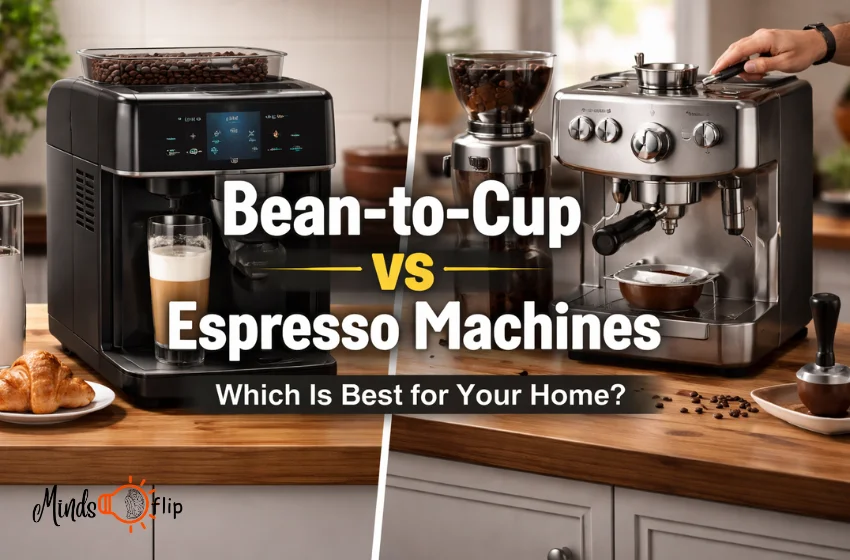
There’s something special about a good cup of coffee at home. Whether it’s your first sip in the morning before work or a quiet moment in the afternoon, the right coffee machine can completely change your daily routine. But if you’ve ever started looking for one, you’ve probably come across two popular options: bean-to-cup machines and espresso machines.
At first glance, they might seem similar. After all, both can make espresso-based drinks like lattes and cappuccinos. But in reality, they offer very different experiences. Choosing between them isn’t just about coffee, it's about your lifestyle, your habits, and how much control you want over the process.
Let’s break it down in a simple, practical way so you can decide which one truly fits your home.
What Is a Bean-to-Cup Machine?
A bean-to-cup machine is designed for convenience. It does almost everything for you from grinding the beans to brewing the coffee all at the push of a button.
Think of it like having a mini café built into your kitchen. You pour whole coffee beans into the machine, fill the water tank, and select your drink. Within a minute or two, you’ve got a fresh espresso, cappuccino, or even a latte, depending on the model.
This type of machine is perfect for busy households. For example, imagine a family getting ready in the morning. One person wants a quick espresso before heading out, while another prefers a creamy cappuccino. With a bean-to-cup machine, both drinks can be made quickly without much effort or mess.
They’re also popular in small offices or co-working spaces where people want good coffee without needing a barista-level skill set.
The main advantage here is ease of use. You don’t need to worry about grinding beans separately, measuring doses, or timing the extraction. The machine handles all of that automatically.
What About Espresso Machines?
Espresso machines, on the other hand, are all about control and craftsmanship.
Instead of automating everything, they give you the tools to create coffee exactly the way you like it. You typically grind your own beans, measure the right amount (called the “dose”), and manually brew the espresso using a portafilter (the handle that holds the coffee grounds).
It might sound a bit complicated at first, but many people enjoy the process. It becomes part of their routine like cooking a favorite meal from scratch.
Picture someone who loves experimenting with flavors. They might try different coffee beans, adjust the grind size, or change how long the espresso extracts to get the perfect taste. For them, making coffee isn’t just a task, it's a hobby.
This type of machine is often found in cafés, but it’s also popular with home users who want that authentic barista experience.
The biggest benefit here is flexibility. You can fine-tune almost every part of the process, which means you can achieve a very high-quality cup if you’re willing to learn and practice.
See Also : Aspertaan Explained Benefits, Safety, and Expert Insights
Convenience vs Control: What Matters More to You?
This is really the heart of the decision.
If your mornings are rushed and you just want a reliable, good-tasting coffee without thinking too much about it, a bean-to-cup machine makes life easier. It’s quick, consistent, and beginner-friendly.
On the other hand, if you enjoy slowing down and being hands-on, an espresso machine gives you that freedom. It’s similar to the difference between cooking with a microwave versus preparing a dish from scratch. Both get the job done, but the experience—and often the result—can feel very different.
In many industries, this same trade-off exists. For example, in photography, some people rely on automatic camera settings, while others prefer manual controls to capture the perfect shot. In fitness, some people follow guided workout apps, while others design their own routines.
Coffee is no different. It comes down to whether you value simplicity or creativity.
Cost, Maintenance, and Everyday Use
Another practical factor to consider is not just the upfront price, but also the long-term experience.
Bean-to-cup machines are usually more expensive at the start because they include built-in grinders and automated systems. However, they can save time and reduce the need for extra equipment.
Espresso machines vary widely in price. Entry-level models can be quite affordable, but you’ll often need to buy a separate grinder if you want the best results. Over time, this setup can become just as much of an investment as a bean-to-cup machine.
Maintenance is also worth thinking about.
Bean-to-cup machines often have automatic cleaning cycles, but they still require regular care, like descaling (removing mineral buildup) and cleaning milk systems.
Espresso machines require a bit more hands-on cleaning. You’ll need to rinse the portafilter, wipe the steam wand, and occasionally deep-clean parts. It’s not difficult, but it does take a bit of time and consistency.
If you’re the type of person who prefers “set it and forget it,” the extra steps of an espresso machine might feel like a chore. But if you enjoy routines, it can actually be quite satisfying.
Finding the Right Fit for Your Home
By now, you might already have a sense of which direction feels right. But if you’re still unsure, it can help to think about your daily habits.
Do you want a machine that anyone in the household can use easily, even guests? A bean-to-cup machine is usually the better choice.
Do you enjoy learning new skills and refining your technique over time? An espresso machine might be more rewarding.
It’s also helpful to explore different models and features before making a decision. Browsing options like on this website can give you a clearer idea of what’s available and what suits your budget and preferences.
Sometimes, seeing the variety of different sizes, styles, and functions makes the decision much easier.
Final Thoughts: It’s About Your Coffee Experience
At the end of the day, there’s no “right” or “wrong” choice, only what works best for you.
A bean-to-cup machine offers speed, convenience, and consistency. It’s ideal for busy lifestyles and anyone who just wants great coffee without the extra steps.
An espresso machine offers control, creativity, and a deeper connection to the process. It’s perfect for those who enjoy experimenting and turning coffee-making into a personal craft.
Both can deliver excellent coffee. The difference lies in how you want to get there.
So before you decide, take a moment to think about your routine. Are you looking for simplicity or a hands-on experience? Quick results or a creative process?
Once you know that, choosing the right coffee machine becomes a whole lot easier and your daily cup becomes something you truly look forward to. For more updates and ideas msut visit Mindsflip .