
Best Commercial Gym Equipment: What to Look for When Building a High-Performance Fitness Space
 Sam
Sam 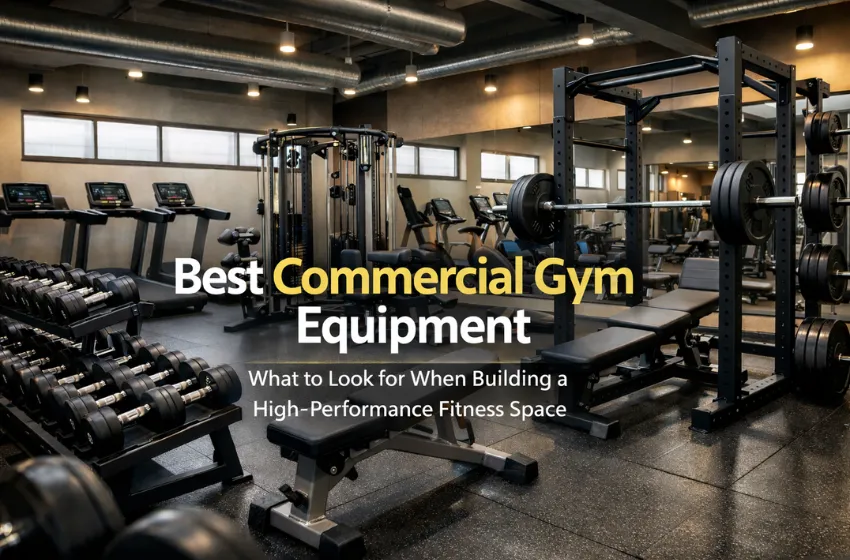
Building a commercial gym is an exciting project but it’s also one that comes with a lot of decisions. From layout and design to equipment selection, every choice you make plays a role in how your space feels, functions, and performs over time. Whether you’re opening your first facility or upgrading an existing one, choosing the right equipment isn’t just about filling a room with machines, it's about creating an experience that people want to come back to.
Think about it like setting up a restaurant kitchen. You wouldn’t just buy random appliances, you'd choose tools that are durable, efficient, and suited to your menu. The same idea applies to a gym. You want equipment that can handle heavy daily use, support a variety of workouts, and help your members reach their goals safely and effectively.
Let’s break down what really matters when selecting equipment for a high-performance fitness space.
Start with Your Members in Mind
Before looking at brands, specs, or prices, take a step back and think about who will be using your gym. Are you catering to beginners, experienced lifters, athletes, or a mix of everyone? The answer will shape everything that follows.
For example, a gym focused on general fitness might prioritize easy-to-use machines, like treadmills, cable machines, and selectorized weight equipment (machines where users move a pin to adjust weight). These are approachable for beginners and allow people to work out without needing extensive guidance.
On the other hand, a strength-focused facility might invest more in squat racks, barbells, bumper plates, and platforms. These tools support heavier lifting and more advanced training styles.
You can compare this to a school classroom. A kindergarten class and a university lecture hall both serve students, but they’re designed very differently because the needs are different. The same logic applies to your gym floor.
A balanced approach often works best. Even if your gym has a specific niche, offering a mix of equipment ensures that members can try new things, progress over time, and stay engaged.
Prioritize Durability and Build Quality
Commercial gym equipment takes a beating; there's no way around it. Unlike home gyms, where equipment might be used once a day, commercial machines are used constantly, often by people with different levels of experience and care.
This is why durability should be at the top of your checklist.
Look for equipment made with strong materials like heavy-gauge steel frames, reinforced cables, and high-quality upholstery. Machines should feel solid and stable, even during intense use. If something wobbles or feels flimsy during a test, it’s not going to hold up well in a busy environment.
Think about it like public transportation. Buses and trains are built to handle thousands of passengers every day, not just occasional use. Your gym equipment needs that same level of reliability.
Durability isn’t just about avoiding breakdowns it also protects your investment. Spending a bit more upfront on well-built equipment often saves money in the long run by reducing repair and replacement costs
Focus on Functionality and Versatility
Space is always a factor in a commercial gym, no matter how big your facility is. That’s why it’s important to choose equipment that does more than one job.
Multi-functional machines, for example, allow users to perform a variety of exercises without needing separate equipment for each movement. Cable machines are a great example—they can be used for strength training, rehabilitation exercises, and even sports-specific movements.
This is similar to tools in other industries. In construction, a multi-tool can handle cutting, sanding, and scraping, reducing the need to carry multiple tools. In a gym, versatile equipment helps you maximize both space and value.
Free weights are another must-have because of their flexibility. A set of dumbbells and a bench can support dozens of exercises, making them one of the most efficient additions to any gym.
At the same time, don’t overlook specialized equipment if it aligns with your audience. For example, if your members are into functional training, adding sleds, kettlebells, and resistance bands can enhance the overall experience.
Don’t Overlook User Experience
A high-performance gym isn’t just about what the equipment can do, it's also about how it feels to use.
Comfort, ease of use, and accessibility all play a big role in whether members enjoy their workouts. Adjustable seats, smooth movement, and intuitive controls can make a big difference, especially for beginners.
Imagine walking into a gym for the first time and facing complicated machines with unclear instructions. It can be intimidating. On the flip side, equipment that feels straightforward and welcoming encourages people to keep coming back.
This is similar to using a smartphone or an app. If it’s easy to navigate, people use it more often. If it’s confusing, they give up quickly.
You should also consider how equipment is laid out in your space. Even the best machines won’t perform well if the gym feels cramped or disorganized. Clear pathways, logical groupings (like cardio in one area and strength in another), and enough room for movement all contribute to a better experience.
Balance Budget with Long-Term Value
Budget is always a consideration, especially when setting up a new gym. But it’s important to think beyond the initial price tag.
Cheaper equipment might seem like a good deal at first, but if it breaks down frequently or needs replacing within a year or two, it can end up costing more overall. On the other hand, high-quality equipment that lasts for years provides better value over time.
This is similar to buying work shoes. A cheap pair might save money upfront, but if they wear out quickly and need constant replacing, you’re better off investing in a durable pair from the start.
When planning your budget, consider not just the purchase price, but also maintenance, warranties, and potential downtime. Reliable equipment keeps your gym running smoothly and your members satisfied.
If you’re exploring options and comparing features, you can check out different types of best commercial gym equipment to get a clearer idea of what fits your needs and space.
Think About Growth and Future Needs
Your gym today might not look the same a year from now and that’s a good thing. As your membership grows and trends evolve, your equipment needs may change.
That’s why it’s smart to plan with the future in mind.
Choose equipment that can adapt as your gym expands. Modular systems, for example, can be added to over time. Open spaces that can accommodate new machines later on are also helpful.
It’s a bit like designing an office. You wouldn’t fill every inch of space with furniture right away you’d leave room for new hires, new tools, and new ideas.
Staying flexible allows your gym to evolve without requiring a complete overhaul.
Final Thoughts
Building a high-performance fitness space isn’t about chasing trends or filling your gym with the latest machines. It’s about making thoughtful choices that support your members, your brand, and your long-term goals.
By focusing on your audience, prioritizing durability, choosing versatile equipment, and creating a positive user experience, you can build a gym that stands out for all the right reasons.
At the end of the day, great equipment doesn’t just help people work out, it helps them feel confident, motivated, and excited to come back. And that’s what turns a gym into a community. For more updates msut vsiit Mindslfip.