

 David
David 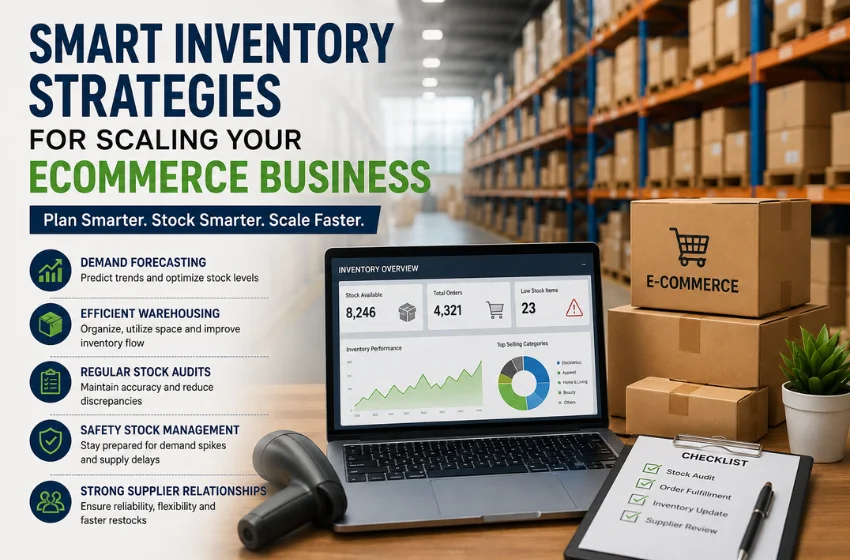
Scaling an ecommerce business is an exciting milestone, but it brings a unique set of logistical challenges that can catch even seasoned entrepreneurs off guard. As your daily order volumes increase, so does the intense pressure on your day-to-day operations. A sudden influx of sales can quickly overwhelm your existing systems if you do not have a robust operational plan in place.
Modern consumers expect rapid dispatch and flawless delivery, meaning any delay caused by disorganised stock can lead to negative reviews and lost repeat business. For many growing digital brands, the key to sustainable, long-term growth lies in mastering inventory management before the physical clutter begins to negatively impact the bottom line.
Balancing Digital and Physical Operations
When scaling up, many startup founders immediately look toward software upgrades and digital marketing pushes. While many scaling ecommerce startups prioritise optimising their digital backend by exploring future technology to automate workflows, it is equally important not to neglect the physical side of your operations. An advanced, highly responsive digital storefront means very little if your team cannot locate the physical products in a timely manner.
A well-rounded growth strategy must treat warehouse logistics with the exact same level of importance as website conversion rates. For instance, when investing in a reliable storage bangkok solution to house excess inventory, businesses can seamlessly maintain order while keeping overheads low.
Discrepancies between what your website says is available and what is actually sitting on your shelves will rapidly erode customer trust. Bridging this gap requires strict organisational protocols and a dedicated focus on how physical items move from the delivery truck to the final shipping parcel.
Flexible Mini-Warehousing Solutions
Instead of taking on enormous financial risk, modern ecommerce brands are turning to agile, off-site alternatives. This modern approach provides the critical flexibility needed to keep overhead costs comfortably low, all while ensuring your valuable products remain highly secure and easily accessible to your packing team.
Furthermore, ecommerce demand is notoriously seasonal. You might need vast amounts of space leading up to the holiday season, only to find yourself paying for empty square footage during quieter summer months. Signing a multi-year lease on a massive, traditional warehouse is a heavy financial commitment that many startups simply cannot afford in their early years, making flexible warehousing a far superior choice.
Strategies to Prevent Dead Stock
Managing the actual flow of goods is just as critical as finding the right place to put them. Accumulating too much inventory ties up valuable capital, whereas carrying too little leads to missed sales and frustrated buyers. The secret to profitability is finding the correct turnover rhythm for your specific retail niche, as well as understanding the true cost of holding onto outdated products.
As highlighted by industry experts, finding the correct inventory management techniques is crucial for modern retailers, especially since quick turnover is necessary for some businesses to reduce dead stock, while others expect stock to sit around for months. By understanding your specific product lifecycle and monitoring consumer trends closely, you can avoid costly overstocking mistakes. Liquidating dead stock often requires steep discounting, which eats directly into your profit margins and devalues your brand image.
Key Steps to Build a Scalable Strategy
To truly master your inventory flow, it helps to implement structured, repeatable systems that keep your team highly organised as order volumes naturally grow. Relying on memory or chaotic, disorganised shelves is a recipe for disaster. Here are several practical steps to build a more resilient and scalable strategy:
- Implement ABC Analysis: Categorise your products based on their overall revenue impact. Place your fastest-moving items near the packing stations for rapid retrieval, and store slower-moving goods further away.
- Conduct Regular Audits: Do not rely solely on automated software counts. Schedule routine physical stock takes to catch inevitable discrepancies early and maintain highly accurate inventory records.
- Establish Safety Stock Levels: Calculate a sensible buffer for your most popular items. This prevents unexpected supply chain delays or sudden viral social media trends from causing complete out-of-stock scenarios.
- Invest in Modular Shelving: As your product lines evolve over time, your storage layout should adapt accordingly. Adjustable racking allows you to maximise vertical space without committing to permanent structural changes in your facility.
- Build Strong Supplier Relationships: Maintain open lines of communication with your manufacturers. Good relationships often lead to more flexible minimum order quantities and faster emergency shipping when you desperately need restocks.
Ultimately, building a scalable ecommerce business requires a delicate, ongoing balance between digital efficiency and physical organisation. By adopting agile warehousing alternatives and implementing proven stock tracking techniques, you can build a stable foundation that actively supports rapid growth. When your inventory strategy is running smoothly, your team can focus their energy on what truly matters, which is delivering an exceptional shopping experience to every single customer. For more updates must visit Mindsflip.